
Israel Expands Evacuation Orders in Southern Lebanon
The situation on the border between Lebanon and Israel has taken a serious turn,
OTHERSCOMMODITIESSTOCK MARKET
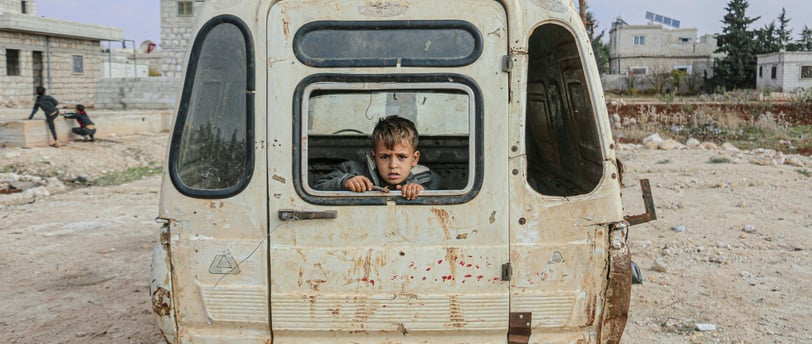
The situation on the border between Lebanon and Israel has taken a serious turn, with an escalation of violence causing significant displacement and damage. Israel has stepped up its military operations, setting new targets in northern Lebanon and ordering the evacuation of 23 villages in the south. It marks a broad escalation of the war that began a year ago.
The death toll is rising, with at least five people killed and 15 wounded in recent Israeli operations across Lebanon. The fighting has now spread to previously unaffected areas, including the northern Lebanese city of Deir Billa, in a worrying development on the battlefield. The Israeli military said the measures were important because of Hezbollah's growing activity in the area. It accused the group of using civilian areas to hide weapons and launch attacks, something Hezbollah strongly denies.
The dispute over the use of civilian areas as military strongholds has been a long-standing issue during the war. The United Nations peacekeeping mission in Lebanon (UNIFIL) has not been spared from the violence. A 0.33 peacekeeper was wounded by gunfire and required surgery. In addition, the UNIFIL base in Ramyah suffered significant damage from nearby shelling, although the source of the attack remains unclear. These incidents have drawn strong criticism from the international community, highlighting the risks faced by peacekeepers in the region.
The humanitarian consequences of this escalation are severe. Since September 23, some 1.2 million people have been forced to flee their homes, surpassing the number displaced during the 2006 war between Israel and Hezbollah. This mass exodus is straining Lebanon’s already fragile infrastructure and worsening the humanitarian crisis. The death toll since the start of hostilities stands at 2,255, according to Lebanon’s Ministry of Health. The figure highlights the deadly nature of the war and the urgent need for a resolution.
The current situation is part of a larger local war that erupted a year ago when Hezbollah, an Iran-backed organization, began firing rockets into northern Israel in collaboration with Hamas at the start of the Gaza conflict. However, the recent escalation marks a broader escalation of hostilities. As the war continues to develop, concerns are growing about its potential to destabilize the region. The global network is closely monitoring these developments and many voices are calling for an immediate de-escalation to save further loss of life and displacement.